
Full property rehabs
We rehab whole properties for owners and investors, from structure and roofing to every system and finish, so the house can be lived in, rented or sold. One fixed price and one point of contact cover every trade.
Full property rehabs
Every system, one schedule
Whole-property rehabs for owners and investors, finished fast so the property can be rented or sold.
You get a clear fixed-price quote before work starts and one point of contact from start to finish. We pull the permits, run every trade in-house or through our subcontractors, and send regular progress updates with photos, so you know the status of the work and the next steps.
What's included
08 items- Walkthrough and scope for the whole property
- Structural repairs with an engineer
- Roofing
- New or upgraded electrical, plumbing and HVAC
- Kitchens and bathrooms
- Drywall, flooring and finishes
- Permits, zoning and inspections
- Photo-documented progress reports
One fixed price for all of it, agreed before work starts.
How a full rehab works here
A full rehab means every system in the building, at once: structure, roof, electrical, plumbing, heating and cooling, then walls, floors, kitchens and baths. Hire it out trade by trade and you end up with a crew per trade, each waiting on the last. We run it as one job, with one schedule and one person you call.
Most of our rehabs are in Philadelphia, where the Department of Licenses and Inspections (L&I) issues permits through eCLIPSE. We also take on rehabs in South Jersey and the Pennsylvania suburbs, where the town or township runs permits.
Permits that apply
A rehab almost always needs a building permit, because it changes the interior and replaces systems. Philadelphia’s rules shape the plan in a few places:
- Zoning comes first. In most cases the City needs a zoning permit before it issues a building permit. If you’re changing a commercial space into a residential unit, or adding or removing units, you need a change-of-use zoning permit. When the established use stays the same, you don’t.
- Plan review. L&I sets plan review at 15 business days for alterations to a one- or two-family house and 20 business days for everything else.
- Accelerated review. For a fee, L&I reviews accelerated applications within five business days. Its 2026 form sets the fee at $350 when you apply, plus $1,650 more for a building or combination permit. Only the L&I review speeds up.
- Trade permits. Electrical work needs a licensed electrical contractor, plumbing a licensed master plumber, and mechanical work a licensed contractor, each under its own permit.
- Historic properties. If the building is on the Philadelphia Register of Historic Places, the Historical Commission must approve the work before L&I issues the permit.
- Certificate of occupancy. Existing one- and two-family houses are exempt. Other buildings need one after alterations that affect exits or fire ratings, or after a change of use.
L&I inspects each stage in turn. For a building permit that runs from the initial site visit through framing, insulation and wallboard to a pre-final walkthrough and the final. Plumbing and mechanical permits have their own rough, testing and final inspections. We plan the schedule around those inspections so no crew stands waiting for one.
Older buildings
Philadelphia’s rowhouses carry their own rehab problems. The City’s Rowhouse Manual notes that floor joists in a typical rowhouse rest in pockets in the party walls, and that rot at those pockets is common. It also calls water a rowhouse’s worst enemy after neglect. We open up, document what we find with photos, and bring in an engineer where the structure needs it.
If the building went up before 1978, EPA’s Renovation, Repair and Painting rule applies to anyone paid to disturb its paint. The firm doing the work must be certified, and the work must follow lead-safe practices.
Renting it out
If the plan is to rent, Philadelphia requires:
- a rental license for each dwelling unit, renewed every year;
- a Certificate of Rental Suitability, free through eCLIPSE, each time you rent to a new tenant or renew;
- for a property built before March 1978, a lead-safe or lead-free certificate before the rental license can be renewed. A lead-safe certificate lasts four years.
Those licences and certificates are yours to hold. We build to the code in force so the property is ready for them.
What to prepare
- The property’s address, so we can check its zoning, permits and whether it’s on the historic register.
- What it’s for: to live in, to rent, or to sell, and by when.
- Any inspection report, engineer’s report or old permits.
- Your lender’s draw schedule and reporting requirements, if you have financing.
What changes cost and time
Rehab prices depend on what’s inside the walls, so we quote after we’ve walked the whole property, never from a listing. The biggest movers:
- Structure. Rotted joists, a failing party wall or a sagging roof need an engineer and come first.
- Systems. Whether the wiring, plumbing and heating can be kept or have to be replaced.
- Use and units. Adding a unit or changing the use brings zoning, and possibly a certificate of occupancy.
- Review time. Standard plan review or paid accelerated review, and Historical Commission approval if it applies.
How we run it
You get a fixed-price quote for the whole rehab and one point of contact from start to finish. We handle permits and every trade, in-house or through our subcontractors, and coordinate the engineer on structural work. You get photo-documented progress reports with the status and the next step, which you can pass to your lender. At the end we walk the property with you and stand behind the work we complete.
Sources
- City of Philadelphia: Get a building permitphila.gov
- City of Philadelphia: Get a zoning permit to change the use of a propertyphila.gov
- City of Philadelphia: Get a certificate of occupancyphila.gov
- Philadelphia L&I: Inspections by permit typephila.gov
- Philadelphia L&I: Accelerated plan review request form (rev. 6.2026)phila.gov
- City of Philadelphia: Get approval for work to a historic propertyphila.gov
- City of Philadelphia: Get a rental licensephila.gov
- City of Philadelphia: Get a Certificate of Rental Suitabilityphila.gov
- City of Philadelphia: Lead Paint Disclosure and Certification Law FAQphila.gov
- EPA: Renovation, Repair and Painting Program for contractorsepa.gov
- Philadelphia City Planning Commission: Philadelphia Rowhouse Manualphila.gov
Trades on this job
The trades we bring in
All on one schedule, in-house or through our subcontractors, under one point of contact.
Structural
Walls, beams and floors, coordinated with an engineer.
HVAC
Heating, cooling, ducts and exhaust.
Plumbing
Supply, drain and fixture work.
Electrical
Panels, circuits, outlets and lighting.
Roofing
Roof repairs and replacement.
Finishes
Drywall, tile, flooring, paint and trim.
Yes. Investors need rehabs finished quickly so the property can be rented or sold. We manage the whole project with one point of contact, a fixed-price quote, and permits and every trade handled in-house or through our subcontractors.
Yes. We send regular progress updates with photos, showing the status of the work and the next steps, and you can pass them on.
The City requires a rental license for each unit, a Certificate of Rental Suitability for each new tenant or renewal, and, for a property built before March 1978, a lead-safe or lead-free certificate. We build to the code; the licences and certificates are yours to hold.
We do. Structural work on our jobs is engineer-coordinated, and it runs on the same schedule as every other trade.
Related services
Often part of the same job
The trades overlap, so these often run on the same schedule and the same fixed price.
 /01
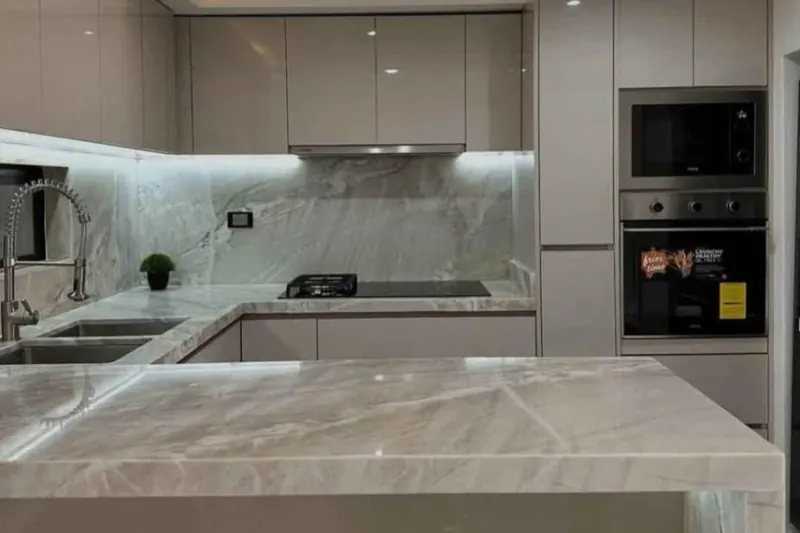
Kitchen remodeling
Layout, cabinetry, plumbing, electrical and finishes by one team, on one fixed price.
- Plumbing
- Electrical
- Finishes
 /02
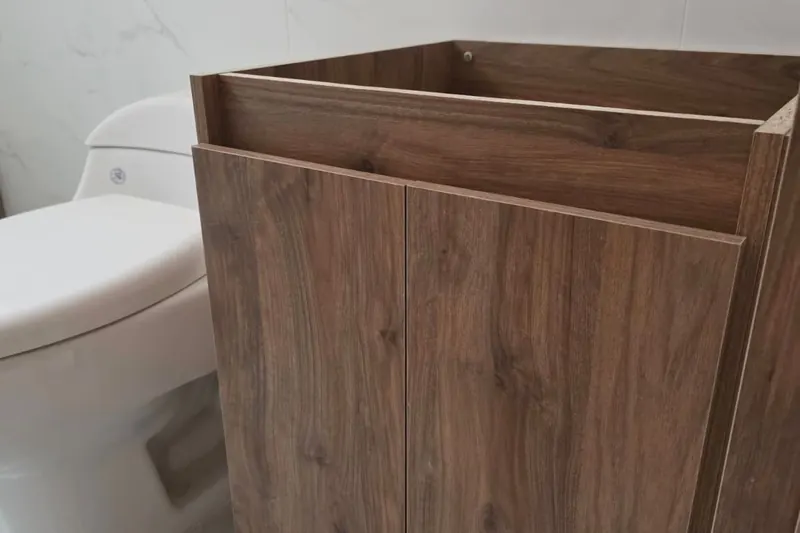
Bathroom remodeling
Waterproofing, plumbing, ventilation and tile, inspected before it is closed up.
- Plumbing
- Ventilation
- Tile
 /06
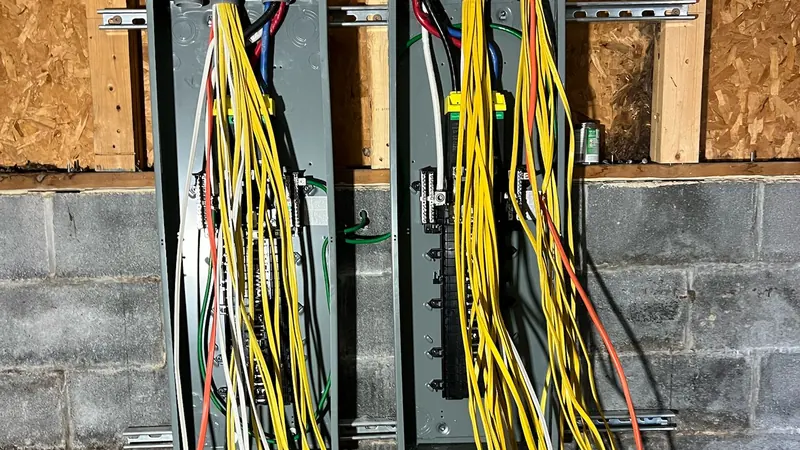
Electrical services
Panels, circuits, lighting and code upgrades, in-house or through our licensed subcontractors.
- Electrical

Start a project
Ready to start your project?
A free estimate visit, a fixed-price quote and one point of contact from start to finish.